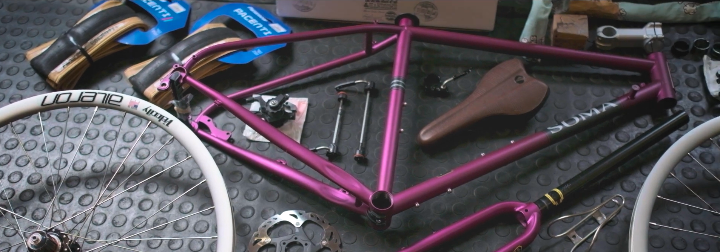
1) Build Something Tailor Fitted to Your Physique and Riding Style
Getting a bicycle that fits you– so you can ride efficiently and in reasonable comfort – is more important than how light it is or how impressive the parts hanging on it are. Almost any good professional would agree on that. A bike that does not fit you correctly can lead to discomfort on longer rides and even use injuries over time. A poor fit dampens the joy of riding.
There have been advances in bike design, such as sloping top tubes, that allow on frame size to potentially fit a broader range of heights. But that is just one dimension. When you buy a complete bike from a shop or online, bar width, stem length, crank length and a bunch of other things are pre-selected for you by someone who has never met you. The bike designer does not know about your gorilla-length arms or short legs or the chronic stiffness in your neck or shoulders. The height of your bars on that bike may be only adjustable by 3cm (if at all), because the fork steerer is pre-cut at the factory.
Even if a brand offers eight sizes, there is still a chance the bike you purchase will not fit you well. You won't notice this from a quick spin around the block. A fit human body can adapt to a barely acceptable fit over time, but it will never feel as amazing as a bike whose frame and components were selected for you like a tailor fitting a bespoke suit or dress for you.
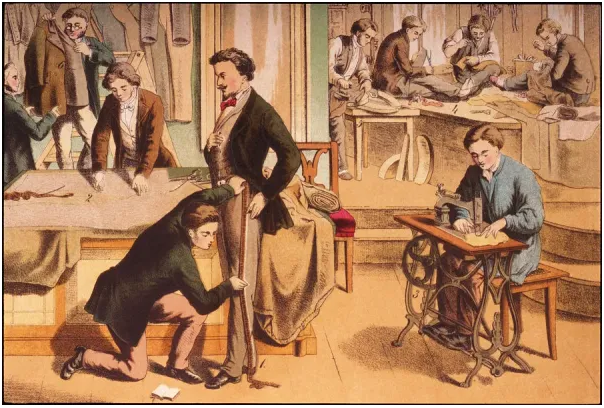
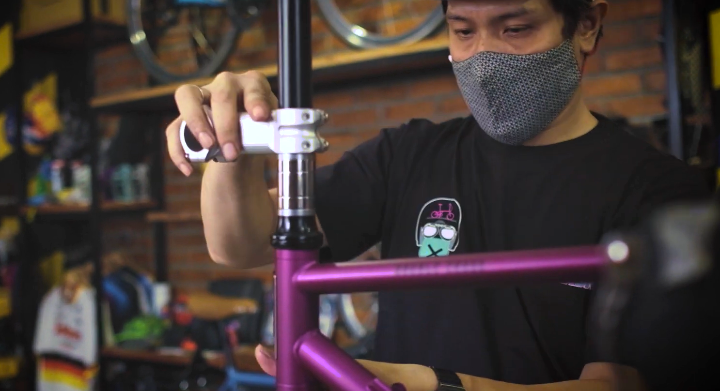
If you are planning to get a frame built up, we highly recommend getting fitted by an experienced bike shop or bike fitter to take full advantage of the process. Without a clear idea of what you need and skills to execute, it is still possible to custom build a bike that fits you poorly.
(photo on top and below: Gaya Berkendara and Psychloop)
2) Ability to Choose Your Own Parts Based on Coolness, Functionality, Aesthetics, and Budget
We are fortunate to live in a time with so many choices in bicycle components –– and not just in terms of colors and high-tech materials. A couple of examples...
- Drop handlebars now come in many bends, reaches, drops, flares and widths. These features all can affect fit and comfort and allow the bike to excel on different type of riding.
- Drivetrain choices are plentiful and even polarizing. Some riders will prefer a 2x10 or even 2 x 9 over the 1 x 12 more bikes come with now. Some strongly prefer the shifting feel of one "S-brand" over the other. Some may prefer new wireless shifter, while others want the simplicity and durability of friction shifters.
- Wheels are another example. Many riders will no doubt look for fast lighter wheels when customizing, but if you are a heavier rider and going ride everyday in pot-holed filled streets, you may opt for wheels with more spokes than what come on performance bikes these days.
Building from the frame up give you the freedom to choose what really works best for you, instead of settling.
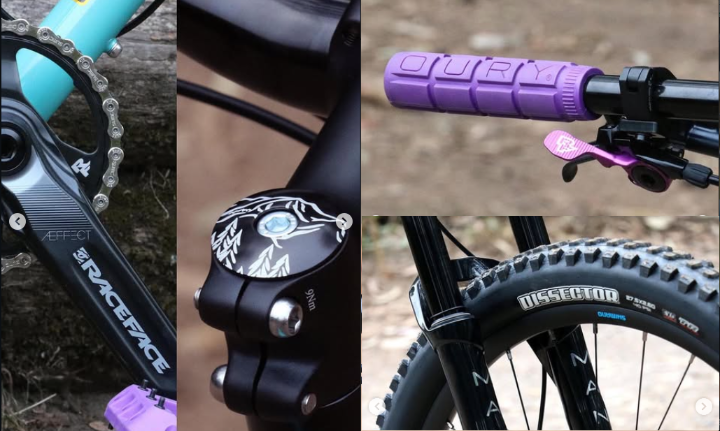
3) Putting your Personality, Style, and Way of Thinking into your Bike
Many people who have done custom builds describe the process as "deeply rewarding." When the project is finished, it feels more like "their bike". Is that rational? Isn't a pre-built bike from a big brand still "your bike" if you paid for it? Of course it is.
But there is special pride and affection that comes from putting your personal stamp on a build. Even if you didn't assemble it with your own hands, you still shape the result –– whether that meant you spent a week tracking down all-silver components. or picked the right cassette and chainring combo to give you the perfect balance of flat terrain speed and hill climbing ability.
4) Deepening Your Knowledge about Bicycles
Getting through a custom build teaches you a lot about your bicycle and bicycle technology and standards in general. You don't have to be a bike geek to enjoy the ride. A friend of ours who has toured over 10,000 miles across multiple countries admitted he didn't know the name of many parts on his bike or what gearing he was using.
But if you take on a custom build as a passion project, especially if you build it yourself, you will inevitably learn a great deal along the way.
5) Make Good Use of Your Old Bike Parts
Many long time cyclists have parts bins full of components they have collected over the years. You may have older expensive parts that you don't fit you newer bike, but you don't want to throw away. You may have components salvaged from broken bike.
If you already have most of what you need, why not pick up a frame (and a few missing parts) and give those parts a second life. It is often the most cost-effective way to get a new bike for yourself or a friend. And not to toot our horn too much, Soma usually has one or two frame models that are compatible with older parts (back to 1990's etc).